Section 3 · Church Life
Church Volunteer Guide
How a small church recruits volunteers without guilt trips, screens people who serve minors, and keeps teams healthy enough to stay for years.
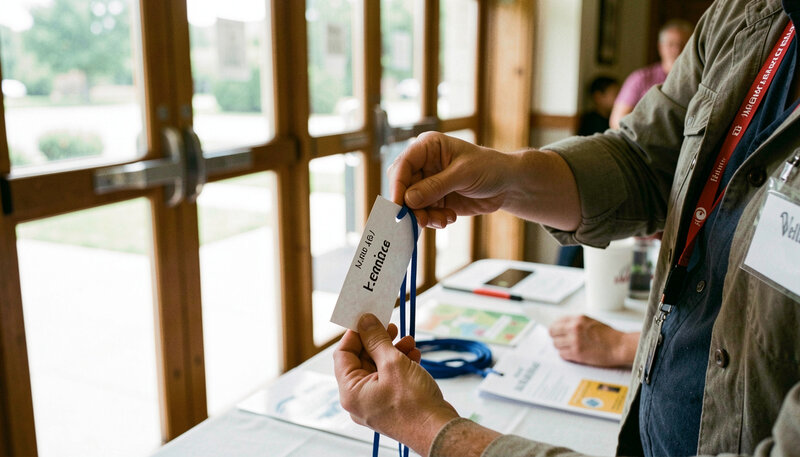
Volunteers are the workforce of a small church, and the way a congregation recruits, screens and keeps them decides more of its ministry capacity than any building or budget line. Most churches do this work badly by accident: they recruit with guilt, screen with none of the care the task deserves, and keep people until they burn out and quietly stop coming. This guide walks the whole volunteer lifecycle the way healthy congregations run it, from the first invitation to the tenth anniversary of service.
Recruiting without the guilt trip
The guilt-based ask, we need someone or the nursery closes, fills slots once and poisons the well. The invitation-based ask works better and costs one more conversation: name what you see in the person, describe the specific role and its real time cost, and give them a genuine way to say no. People serve longer at tasks they were invited into because of who they are rather than pressed into because of who failed to show. Keep a running list of open roles with honest hour estimates, and publish it, because a church where the needs are visible recruits constantly while a church where needs are whispered recruits in crises.
Why screening is a floor and not an insult
Any role serving minors, nursery, children's classes, youth group, van driving, carries a screening floor: a criminal background check renewed on a regular cycle, a simple application with references, an interview and orientation before the first solo serving, and the two-adult rule at every gathering. The point is not suspicion of the people in the room; it is that safe environments are built by design, and predators look for the churches that skip this. Written policy also protects the volunteer: clear rules about rides, communication with minors and closed doors remove ambiguity that can be misread in either direction. Denominational child safety standards exist for exactly this machinery and are worth the small church's while to adopt whole rather than invent.
Onboarding that actually prepares someone
The gap between a yes and a good first shift is onboarding, and it is where most volunteer turnover is manufactured. A workable onboarding has three parts: the person watches the role done well once, then does it alongside a veteran once, then does it with the veteran nearby. By the third shift they own it. Pair this with the practical knowledge veterans forget they have, where the keys are, how the heater works, which family needs a reminder text, and the new volunteer stops feeling like a guest in someone else's kitchen. A folder or shared page holding this knowledge turns each veteran's departure from a small disaster into a handover.
How do you keep volunteers for years
Retention is built from four habits. First, scope discipline: the role stays the size it was described as, because scope creep, just this once, every week, is the top reason good people leave. Second, visible appreciation that is specific: naming what their service made possible, rather than generic applause. Third, rest built into the calendar: every serving role gets a scheduled off-ramp, a season or a term, so stepping back is planned rather than shameful. Fourth, growth: training, a book, a conference, or the next role up, because people stay where they are becoming something. The churches that do all four rarely post emergency pleas for help.
Burnout: seeing it before it speaks
Volunteer burnout rarely announces itself; it shows up as the member who is later, quieter, and eventually absent. Leaders who watch for it can intervene early: a genuine thank you with an offer of a term off, a rebalancing of the load, or a season of just attending again. The structural fix is load tracking: know how many roles each person carries, and set a ceiling after which the answer to the next request is not yet. In a small church the temptation is to let the faithful twenty percent absorb everything, and the bill for that always arrives, usually the year the church can least afford it. The relationship between event ambition and volunteer load is worked through in church events and activities.
Volunteers and the youth ministry
Youth ministry makes the hardest demands on the volunteer system: the roles are weekly, the screening floor is highest and the emotional investment is real. The recruiting conversation for a youth leader is therefore slower and more candid, covering the evening commitment, the training and the parent communication expectations, all laid out in how to build a youth ministry. The retention habits matter double here, because teenagers attach to leaders and pay the cost of churn. A youth team that is screened, rested and appreciated for a decade is the single best predictor of a congregation that keeps its teenagers.
Building the culture around the system
Systems hold a church's volunteer capacity, but culture holds the systems. The culture that sustains volunteering is one where serving is visible and honored, where saying no is safe, where training is normal rather than remedial, and where the leadership itself models rest. In that culture the volunteer guide's machinery runs quietly in the background; without it, the same machinery reads as bureaucracy. Start where the pain is loudest, usually recruiting or burnout, fix one habit at a time, and let the results recruit the rest of the congregation. The rest of the section, from the activities index to the student ministry guides, assumes this foundation is being laid.